

What can you expect at our clinic?
You will meet Dr Chris Baguley, who is a highly experienced Rehabilitation Physician. He has worked in multiple hospitals in metropolitan Melbourne and London, UK, and now works at clinics in Mornington, Frankston, Narre Warren, Berwick, and the Warragul Specialist Centre. He is able to travel to Aged Care facilities and specialist disability accommodation by appointment.
In the clinic, your first step is to have a bulk billed assessment consult with Dr Chris, who will liaise with your care team and devise a treatment plan.
If appropriate, you will have a follow-up appointment and receive ultrasound guided injections to the targeted muscles that are causing problems. This typically takes around 45 minutes. Some patients like to use a topical numbing cream, like Emla, which is applied 1 hour before arriving at the clinic. A small co-payment fee is charged by the pharmacy for the cost of the toxin.
After receiving injections, you can resume normal daily activities and continue gentle movement and stretching exercises. For the first 24 hours, you should avoid vigorous exercise or strenuous physical activity, massaging, rubbing or applying excessive heat to the injection sites.
Treatment effectiveness will be reviewed by either an online or in-person appointment. This step is typically 4 to 6 weeks after your injections and is around 20 minutes in length.
About 12 weeks after the first injections, you’ll come back into the clinic for further treatment, if required, which will be another 45-minute session.
Working with your care team, we aim to help improve your levels of comfort and movement.
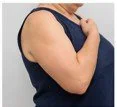
The upper arm may be held close to the body with the elbow bent.
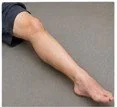
Muscles may be tight, causing the leg to stay in a fixed position.
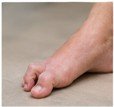
Toes may curl down or up.
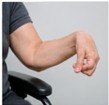
Arm and hand may be held in a bent position. Fingers and thumb can be clenched.
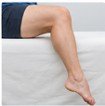
The knee may be held in a bent position, and the foot may point down.
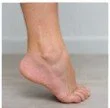
The foot may point down and inward.
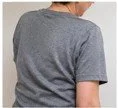
Spasticity can also affect core muscles, which may influence posture and balance.